Updated October 2026
The short version
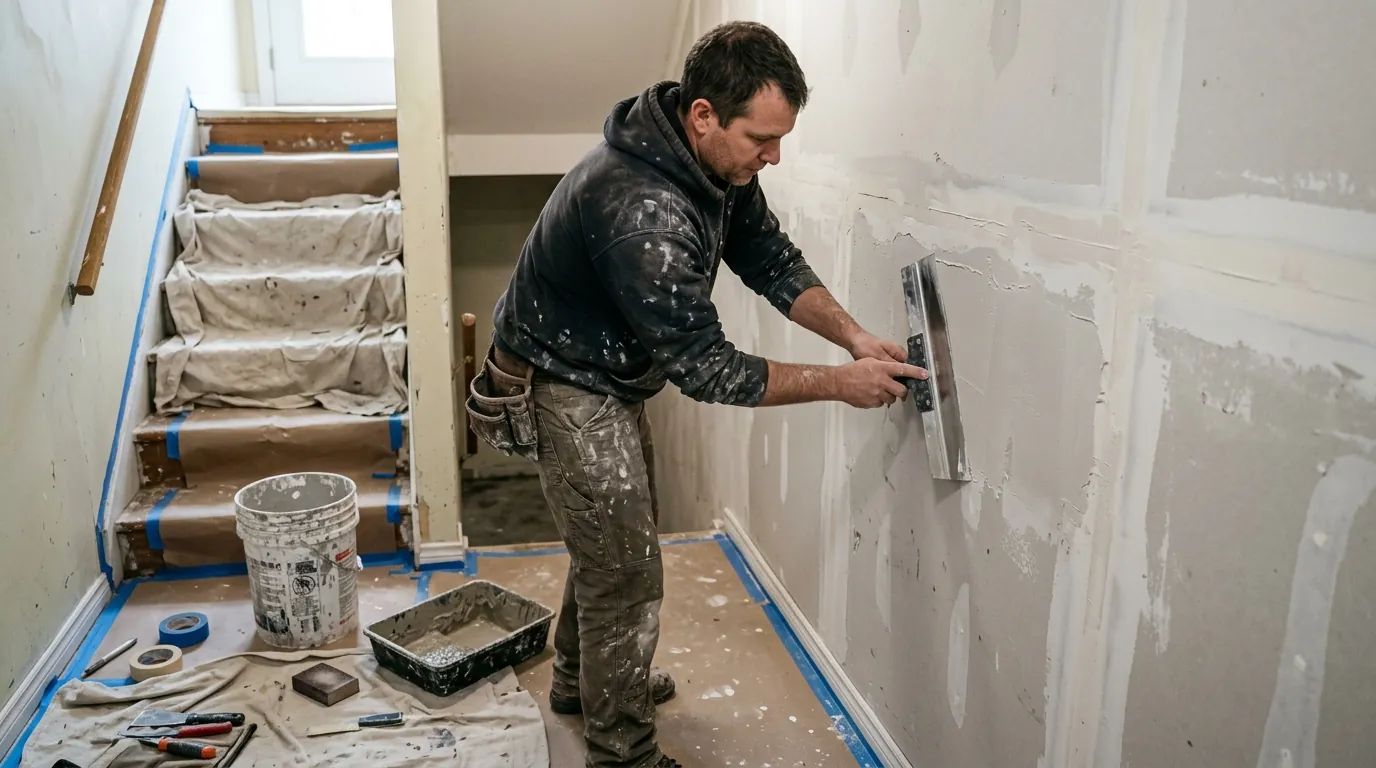
Skim coating in Naperville, IL means troweling thin coats of joint compound over a whole wall or ceiling and sanding it smooth, so old texture, patches and torn paper disappear under paint. It is the fix after wallpaper removal, popcorn scraping or years of patching. Where a wall should keep its texture, we match it instead.
When a wall needs a skim coat instead of patches
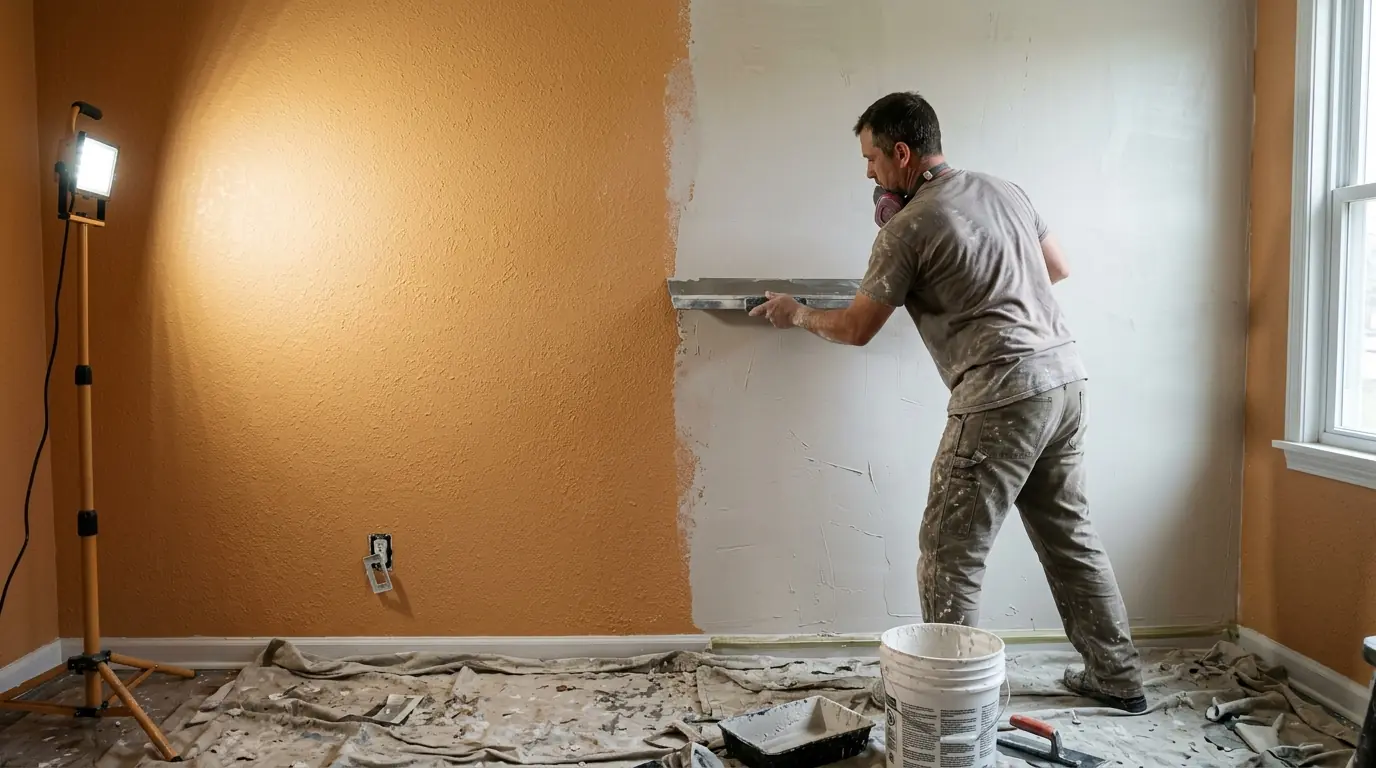
Spot patches work on a wall with a few holes. They stop working when the wall is covered in them, or when the whole surface is rough: torn paper from wallpaper removal, a dated knockdown or orange-peel texture you want gone, or old paint ridges from decades of repaints. Patch after patch shows through paint as a blotchy surface in raking light.
A skim coat resets the wall. Thin coats of compound go over the entire surface, each sanded, until it is uniformly flat. Torn drywall paper is sealed first with a primer made for the job, because compound applied over raw torn paper bubbles. Then the wall is primed and painted like new drywall.
What moves the price of skim coating
Skim coating is priced by wall and ceiling area and by how many coats it takes to get flat.
- Wall and ceiling area
- Torn paper that needs sealing first
- The depth of the texture being covered
- Number of coats to reach a flat finish
- Dust control in occupied rooms
Smoothing Knockdown and Orange Peel
Knockdown and orange-peel textures were common finishes on drywall for decades, and many people now want smooth walls. We knock off any high points, then skim two or three thin coats of compound over the texture, sanding between coats until the surface is flat. It is dusty work, so the room is sealed and floors are covered, and we use sanders with dust extraction where possible. Primer then shows any spots that need one more pass before paint. Outlets and switch boxes are extended where the new surface sits proud of the old one.
Torn Drywall Paper
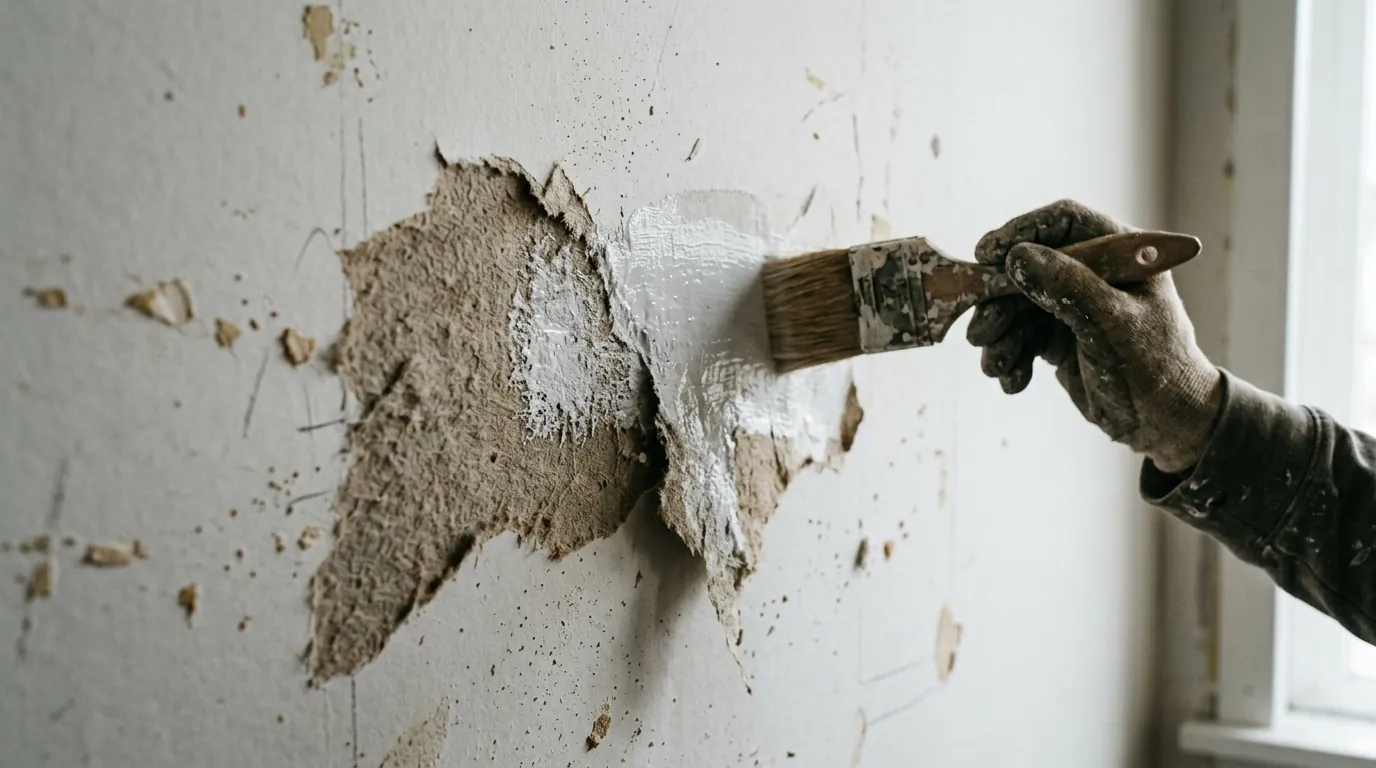
Wallpaper removal often tears the face paper of the drywall, leaving brown, fuzzy patches. If compound or paint goes straight onto that, it bubbles. We first seal the torn areas with a primer designed to lock down damaged paper, then skim the whole wall so the repaired areas blend with the rest. The same approach fixes drywall torn by removed tape, adhesive hooks or old mirrors glued to the wall over the years. Corners are reset with tape where the torn paper reached into them.
Matching an Existing Texture
Sometimes the goal is the opposite: a patched area that has to match the texture around it, such as a knockdown ceiling after a leak repair or an orange-peel wall after an outlet was moved. We test the texture on scrap board until the pattern matches, then spray or trowel it onto the repair and feather it into the surrounding surface. Once painted, the patch disappears into the existing texture instead of standing out as a smooth square. The test board is kept so future touch-ups match the same pattern.
Textured walls in Naperville's 1970-1999 houses
On the District 203 side of Naperville about 71 percent of homes were built between 1970 and 1999, the decades when sprayed textures and builder-grade drywall finishing were the norm. Many of those walls have since had wallpaper hung and removed, outlets moved and pictures rearranged, so a skim coat is often the most practical way to bring them up to the smooth, flat finish people want today.
What is included in a skim coat job
- Room sealed and floors covered
- Outlet covers and fixtures removed
- Loose texture and ridges knocked down
- Torn paper sealed with primer
- Two or three thin coats of compound
- Sanding between coats
- Primer to show any last flaws
- Ready for paint, or painted as quoted
How a skim coat job runs
- 1
Seal and protect
Plastic on doorways, floors covered.
- 2
Prepare
Texture knocked down, torn paper sealed.
- 3
First coat
Thin compound over the whole surface.
- 4
Sand and recoat
Two or three coats until flat.
- 5
Prime
Primer reveals any spot that needs one more pass.
Skim coating yourself: what to expect
Skim coating is learnable, but a whole wall is a different skill from a patch.
Reasonable for a homeowner
- Patching a few nail holes
- Skimming a small closet wall to practice
- Sanding and priming after a pro skim
Where pros earn their fee
- A flat finish across a whole room in raking light
- Sealing torn paper so it does not bubble
- Matching a knockdown or orange-peel pattern